

Gelatin Can Be Classified into Edible, Pharmaceutical, Photographic and Industrial Gelatin
Gelatin is the collagen portion of connective tissues such as animal skin, bone and muscle membrane. It can be broken down into white or pale-yellow flakes or powder granules with a slight sheen. It is a non-volatile, transparent and hard amorphous material that is soluble in hot water and insoluble in cold water, but slowly absorbs water, swells and softens. Depending on its type, gelatin can be classified into edible, pharmaceutical, photographic and industrial gelatin.
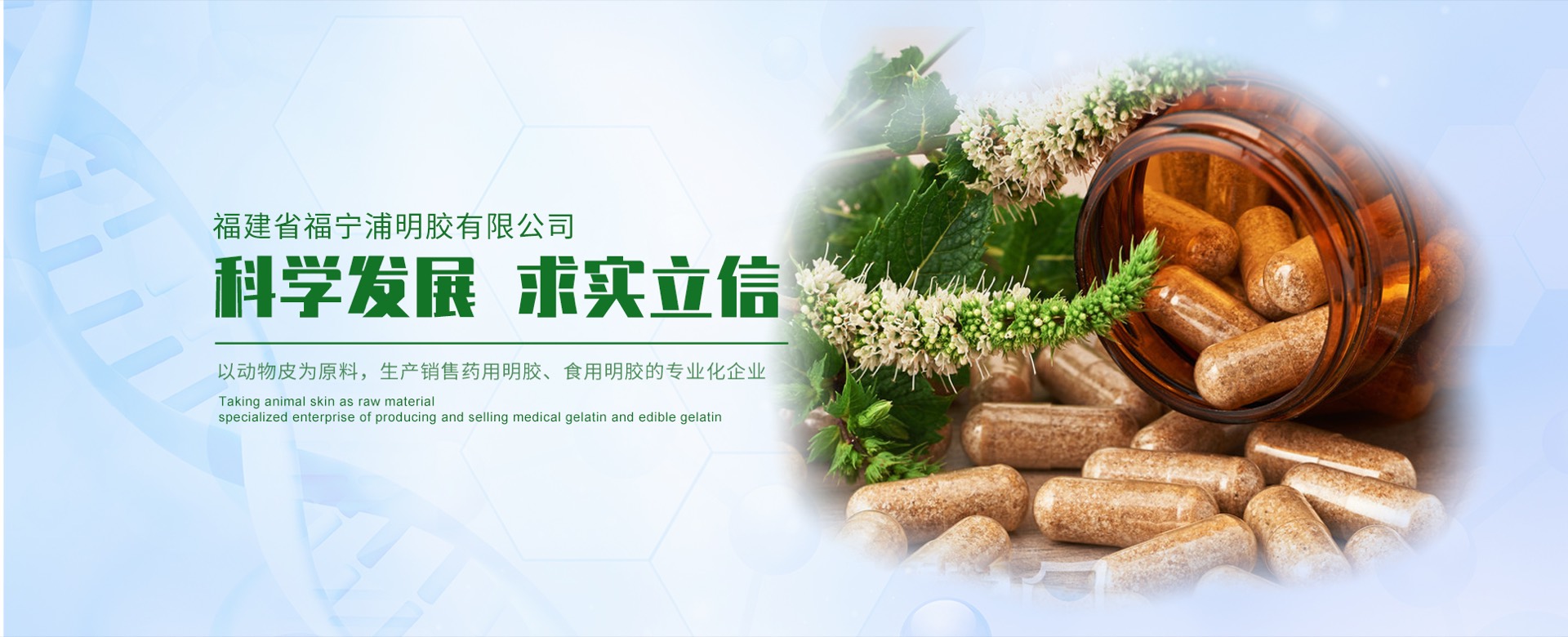
Edible Gelatin
Edible gelatin is collagen made from the bones and skin of pigs, cattle, sheep and other animals through denaturation and degradation. It is a pure protein that is easily absorbed by the body and rich in nutritional value. In addition, gelatin foods have a certain therapeutic effect on some conditions. It is commonly used in jelly, food coloring, premium soft candies, ice cream, dried vinegar, yogurt, frozen foods and more.
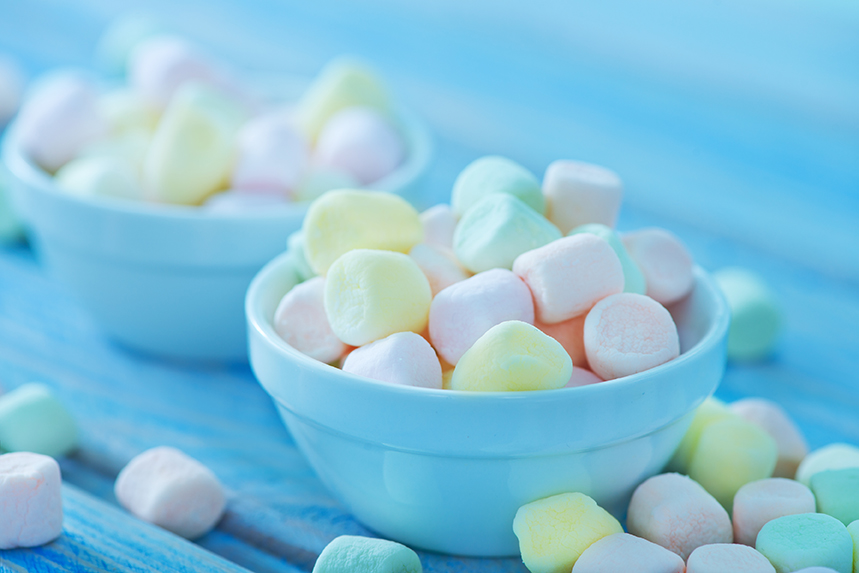
Pharmaceutical Gelatin
Pharmaceutical gelatin is used to produce medical products such as cod liver oil and capsules. Because it is used in drug production, its quality also determines the safety of the medicine. There are fairly strict requirements for its heavy metal content, microorganisms, preservatives and so on.

Photographic Gelatin
Photographic gelatin is mainly used to produce photosensitive materials and plays an important role in the exposure and development stages of film. It is widely used in the photosensitive industry to produce various types of film, medical X-ray film, printing film, photographic paper and more.
Industrial Gelatin
Industrial gelatin is a fine chemical made from animal skin and bone. It is widely used for thickening, stabilizing, gelling and bonding in industries such as panels, furniture, matches, feed and papermaking.

How to Distinguish Industrial Gelatin from Edible Gelatin?
1. Industrial gelatin products generally have many impurities, low viscosity and toughness, poor quality and are brittle. In this way, we can judge whether industrial gelatin has been added.
2. Edible gelatin is transparent, white and relatively clean, while industrial gelatin products are generally brightly colored. Because there are many impurities, some additives are used to hide them, so a bright color may indicate that industrial gelatin has been added.
3. Industrial gelatin is generally used to reduce costs. In many respects — including quality, materials, technology and environment — it is relatively poor, and the products made are less refined.

Gelatin Testing Items and Standards
Gelatin testing items include:
composition analysis, formulation analysis and reverse engineering, unknown substance analysis, material identification, failure diagnosis analysis, comparative analysis, thermal analysis of materials, qualitative analysis, quantitative analysis, appearance, properties, density, moisture, loss on drying, concentration, ash content, Brookfield viscosity, gel strength, transparency, water insolubility, sulfur dioxide content, heavy metal content, total bacterial count, toughness, impact strength, high- and low-temperature resistance, temperature variation and more
The following are the testing standards for gelatin:
QB/T 1995-2005 Industrial Gelatin
QB/T 2354-2005 Pharmaceutical Gelatin
QB/T 4087-2010 Edible Gelatin
DB51/T 1924-2014 Determination of Chromium in Industrial Gelatin — Flame Atomic Absorption Spectrometry
DB22/T 2691-2017 Real-time Fluorescent PCR Qualitative Detection of Raccoon Dog-derived Components in Gelatin
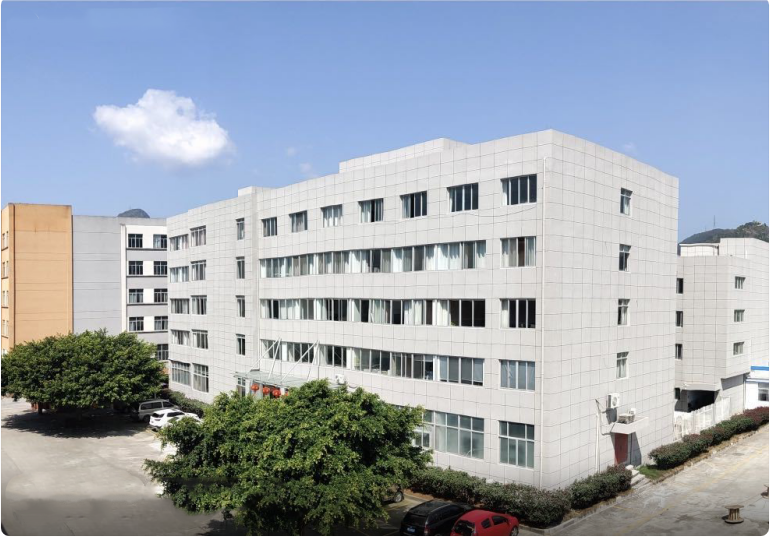
Zhaofeng Hollow Gelatin Capsule Co., Ltd. is a manufacturer specializing in pharmaceutical gelatin, edible gelatin and collagen peptides, providing high-quality gelatin products and application solutions for the pharmaceutical and food industries. ZGL is a leading enterprise in the gelatin industry, providing consumers with safe and healthy gelatin products.
This article is sourced from the internet. If there is any infringement or violation, please contact us for removal or correction.

Tel: +86 18368133500
Website: www.emptycapsulefactory.com
Website: https://zhaofengcapsules.com
Email: xuanxinluruna@gmail.com
Email: zhaofengcapsuels@gmail.com
Factory: Sutipara, Dhamrai, Dhaka
Office: House B/151, Lane 22, Mohakhali DOHS, Dhaka
Tel: +86 18368133500
Website: www.emptycapsulefactory.com
Website: https://zhaofengcapsules.com
Email: xuanxinluruna@gmail.com
Email: zhaofengcapsuels@gmail.com
Factory: Sutipara, Dhamrai, Dhaka
Office: House B/151, Lane 22, Mohakhali DOHS, Dhaka