

ZGL explains the differences between edible gelatin and pharmaceutical gelatin
The raw materials for edible gelatin differ from those for industrial gelatin. They must be fresh, strictly quarantined bones or hides from pigs, cattle, and other animals, require no chemical treatment, and are dried and crushed on fully enclosed production lines. Like edible gelatin, photographic gelatin, and industrial gelatin, pharmaceutical gelatin is a gelatin product classified according to its intended use and quality specifications.
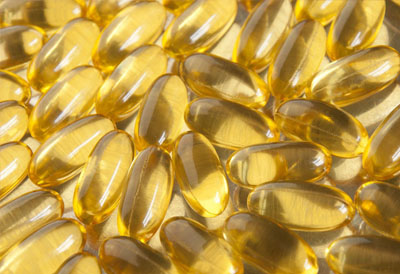
It appears as light yellow or yellow granules - dry, clean, and uniform, free of inclusions, with an odorless solution. The product is mainly used as a raw material for soft and hard capsules, hemostatic sponges, and tablet sugar coatings. People have sometimes referred to it as medical gelatin or pharmaceutical gelatin - the two terms describe the same concept.
Pharmaceutical gelatin cannot be taken directly. It can only be consumed after gelatinization, although colloidal forms such as capsules can be used directly. Edible gelatin generally contains a certain amount of impurities, such as citrates and carbonates, which give it a slight taste. Gelatin is a protein colloid, so the effects of acids, alkalis, and temperature on proteins also affect gelatin to some extent. As a result, pH and temperature influence the viscosity of gelatin.
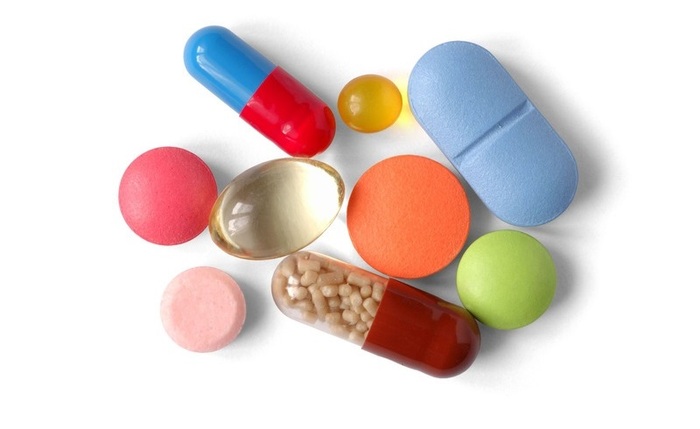
Edible gelatin is dry, clean, uniform, and free of inclusions. It passes through a 4mm standard sieve, i.e., 5 mesh, and is processed into granular form. It contains 18 amino acids and 90% collagen, offering rich health and beauty benefits. It features excellent colloid protection, surface activity, viscosity, film-forming, emulsifying, buffering, wetting, stability, and water-solubility properties. It is used in the food industry in products such as meat jelly, canned food, candy, sausages, vermicelli, instant noodles, and ice cream.
Gelatin can be divided into four categories: photographic, edible, pharmaceutical, and industrial. As a thickener, edible gelatin is widely used in the food industry, in products such as frozen desserts, food coloring, premium soft candies, ice cream, freeze-dried foods, yogurt, and frozen foods. In the chemical industry, it is mainly used as a raw material for adhesives, emulsifiers, and premium cosmetics.
Before use, soak it in cold water for several hours (to avoid incomplete swelling during heating, which can cause excessive bubbles and hard lumps), then heat it in water once fully swollen, keeping the melting temperature below 70°C. It should only be used once completely dissolved. Any unused gelatin solution should be stored in a cold room or a cool, ventilated place to prevent the collagen from hydrolyzing and deteriorating, which would affect performance.
Source: Internet. In case of infringement or violation, please contact us for removal or revision.

Tel: +86 18368133500
Website: www.emptycapsulefactory.com
Website: https://zhaofengcapsules.com
Email: xuanxinluruna@gmail.com
Email: zhaofengcapsuels@gmail.com
Factory: Sutipara, Dhamrai, Dhaka
Office: House B/151, Lane 22, Mohakhali DOHS, Dhaka
Tel: +86 18368133500
Website: www.emptycapsulefactory.com
Website: https://zhaofengcapsules.com
Email: xuanxinluruna@gmail.com
Email: zhaofengcapsuels@gmail.com
Factory: Sutipara, Dhamrai, Dhaka
Office: House B/151, Lane 22, Mohakhali DOHS, Dhaka